Avoiding Renovation Regret: A 2026 Guide for Homeowners in Dutton, Rodney, and Springfield

Whether you are the kind of person who dives into a renovation with a Pinterest board full of ideas or someone who loses sleep over the price of drywall, the emotional rollercoaster of home improvement is real. The excitement of a fresh start is often coupled with the anxiety of the unknown. At Great Lakes Rona, we want to help you replace that anxiety with confidence. 

To avoid spending money on choices you’ll regret, here is our 2026 guide to thoughtful renovation planning in Elgin County.


Key Takeaways:


  • Define the Purpose: Build for your actual lifestyle, not a fantasy.
  • Budget for the Invisible: Insulation and HVAC are less sexy than quartz, but vital for comfort.
  • Balance ROI vs. Joy: Know which upgrades add value and which are just for you.
  • Shop Local: Use local experts in Dutton, Rodney, and Springfield to save on travel and delivery.

1. How and When Will You Use the Space?


This is the number one source of renovation regret. Homeowners often design for a “fantasy life” rather than their real one. Do you really need a formal dining room if you eat dinner on the kitchen island every night?


Be realistic about square footage. If you are planning a significant structural change or an addition, it helps to get professional eyes on your blueprints early. Our Project Estimating Services can help you understand the material costs of moving walls before you swing a sledgehammer.


2. The “Invisible” Renovation: Comfort First


Nothing creates regret faster than a beautiful new room that is cold in January. Before you spend your budget on aesthetic finishes, ensure the “bones” of your house are solid.


Insulation: If you are opening up walls in an older farm home in Rodney or Springfield, that is the perfect time to upgrade your insulation. A drafty home costs you money every month. For specific advice on R-values and blown-in insulation, we recommend consulting local experts such as H. Van Moorsel Insulation. Sealing your thermal envelope is the critical first step.


Heating: Are you adding square footage? Your current furnace might not handle the extra load. If you are renovating a basement, consider how you’ll keep it warm. Upgrading to a modern gas insert or assessing if it’s time to replace your HVAC system. Read the blog from My Fireplace and make sure that your new space is actually comfortable enough to enjoy.


3. Determining Your Budget (And Sticking to It)


No one should have to regret their reno due to financial strain. In 2026, lumber prices have stabilized, but accurate budgeting is still key.


We always recommend the “High-Low” strategy. Spend money on things you touch every day (like door handles and faucets) and save on structural materials where possible. Visit our Lumber & Building Materials desk to lock in your framing costs early so you have more room in the budget for the fun stuff.


4. Does ROI Really Matter to You?


If you are renovating for resale, focus on the kitchen and bathroom. These are the two rooms that sell homes.


Kitchens: You don’t always need a complete gut job. Refacing cabinets or updating countertops can yield a high return on investment. Visit our Kitchen products to see how modern cabinets can improve flow without breaking the bank.


Bathrooms: A spa-like bathroom is a huge selling point. However, quality matters here. Cheap fixtures leak and crack. For those looking for durable, high-end bathing solutions, read The ‘Anti-Scrub’ Movement: Why Grout is Going Out in 2026.


5. The Final Polish: Decor and Curb Appeal


A renovation isn’t done until it feels like home. Sometimes regret comes from running out of steam (and money) before the finishing touches.


Interior: Don’t underestimate the power of styling. Lighting, textiles, and kitchenware soften a newly renovated space. If you are looking for ideas, read the blogs from Bradshaws for go-to inspiration on those final quality pieces that elevate a standard renovation into a magazine-worthy room.


Exterior: If your reno involved new siding or windows, your garden beds likely took a beating. Plan to re-sod or add fresh planters. We love the seasonal inspiration from Fernlea Flowers for boosting curb appeal immediately after construction wraps up.

 

A couple sits at a makeshift plywood desk in a room with exposed wooden studs, reviewing blueprints and paint swatches together. A laptop and a white mug with the "Great Lakes Rona" logo sit on the table, with a snowy rural landscape visible through the window.


Frequently Asked Questions (FAQs)


What is the most durable flooring for a farmhouse renovation?


For rural homes with pets and heavy foot traffic, Luxury Vinyl Plank (LVP) is often the best choice. It is waterproof and highly scratch-resistant. You can browse our wide selection of LVP and hardwood at our Flooring Department.


Should I live in my house during a major renovation?


It depends on the scope. For a kitchen reno, it is difficult but possible if you set up a temporary kitchenette. For bathrooms, you need at least one functioning toilet/shower. If you are doing a whole-home update, moving out temporarily will save you significant stress.


How much contingency fund do I need?

We recommend setting aside 15-20% of your total budget for unexpected costs. This covers surprises like outdated wiring, plumbing issues, or last-minute design changes.


Need help getting started?
 

👉 Contact the experts at Great Lakes Rona today!

Prepping Your Garden for a Great Lakes Spring: From Soil to Seeds

Spring in Southwestern Ontario is a season of anticipation. One day, the sun is shining over the fields in Dutton; the next, a frost advisory is issued for Elgin County. But for local gardeners, the itch to get growing starts long before the final snow melts.


Whether you are managing a sprawling vegetable plot in Springfield or refining a backyard oasis in Rodney, success lies in preparation. The “Great Lakes Spring” brings unique challenges—heavy clay soil, fluctuating temperatures, and plenty of moisture. This guide will walk you through everything you need to know to take your garden from dormant soil to sprouting seeds.

Key Takeaways:


  • Know Your Zone: Most of our region (Elgin/Middlesex) falls into Zone 6, meaning our last frost date is typically late May.
  • Soil Health is #1: You cannot grow high-quality plants in compacted clay; amendments are necessary.
  • Tool Prep: Sharpening blades now prevents disease spread later.
  • Timing Matters: Start peppers and tomatoes indoors 6-8 weeks before moving them outside.
  • Shop Local: Great Lakes Rona in Dutton, Rodney, and Springfield has the specific regional supplies you need.

1. Assessing the Winter Damage


Before you buy a single seed packet, take a walk around your property. The freeze-thaw cycles standard in the Great Lakes region can wreak havoc on hardscaping. Check your raised garden beds for heaving or rot. If you notice your wooden planters have seen better days, you might need to replace a few boards.


Take a look at your fences and trellises, too. If winter winds have loosened posts, now is the time to reinforce them with pressure-treated lumber and hardware from our building supply department. Fixing these structural elements now is much easier than trying to repair them when they are covered in climbing vines in July.


2. Soil Preparation: The Secret to a Bountiful Harvest


If you live in Dutton or Rodney, you are likely familiar with heavy clay soil. While nutrient-rich, clay can suffocate delicate roots if it becomes compacted. To prep your garden for a Great Lakes spring, you need to improve drainage and aeration.


The “Squeeze Test”


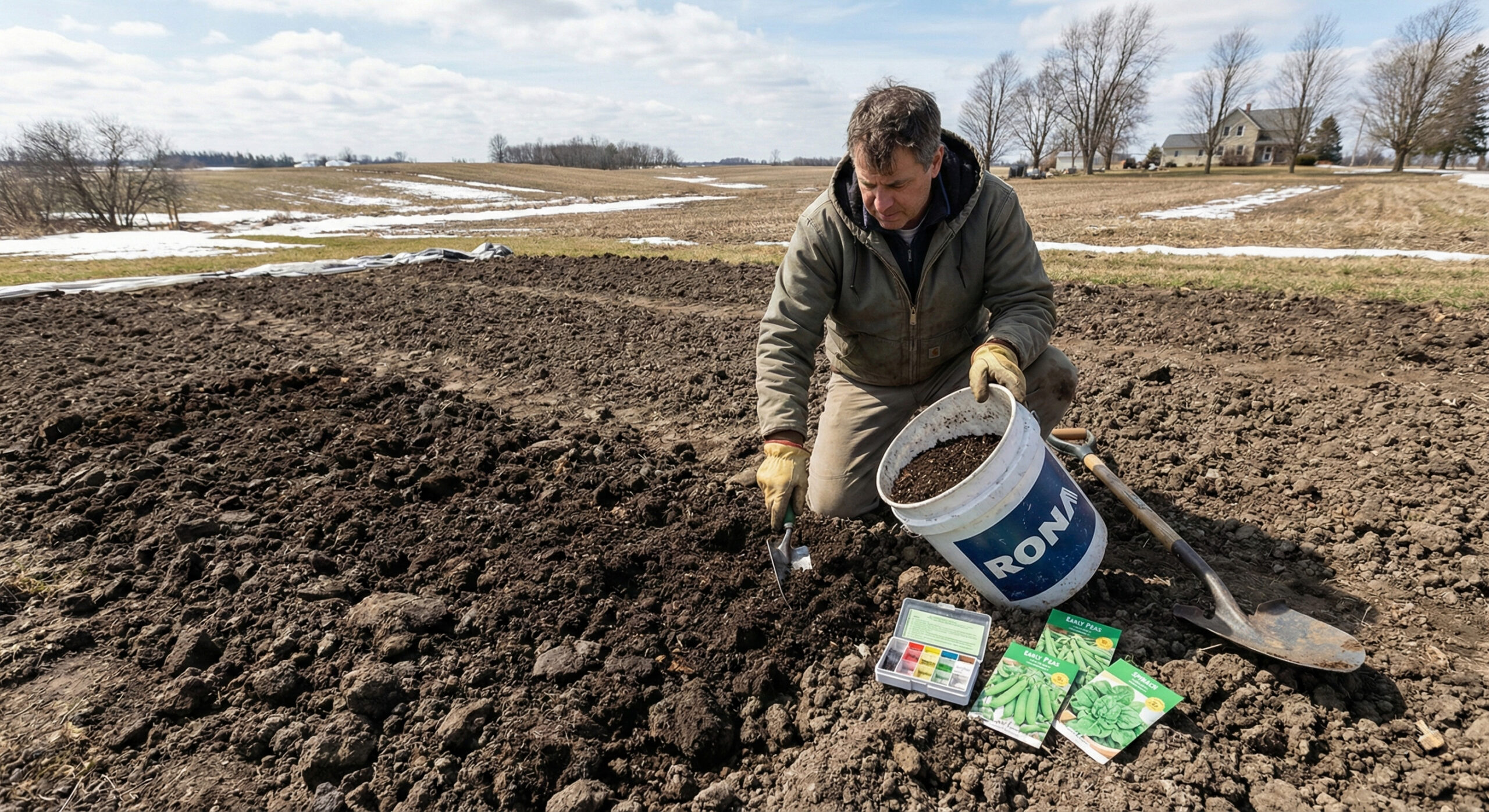
Grab a handful of soil. If it forms a tight, sticky ball that doesn’t break apart easily, you have high clay content. If it crumbles instantly, it’s sandy. The goal is a crumbly loam.


To fix this, amend your beds with organic matter. We recommend mixing in:


  • Peat Moss or Coconut Coir: To retain moisture without waterlogging.
  • Composted Manure: To add nitrogen naturally.
  • Topsoil: To bulk up raised beds.


You can find all these bags ready to load at our Lawn & Garden Center. For those looking for specialized advice on flower bed soil specifically, our friends at Fernlea Flowers have an excellent blog detailing the nutrient needs of annuals and perennials that thrive in our climate.


3. Cleaning and Sharpening Your Tools


Dull tools are dangerous tools—both for you and your plants. A dull pair of pruners crushes the plant stem rather than cutting it cleanly, which leaves a ragged wound open to disease and pests.


Inspect your spades, shovels, and shears. Scrub off any rusted metal with steel wool and oil the moving parts. If your equipment is beyond saving, stop by our Hand & Power Tools department. We carry brands that withstand the rigorous demands of rural property maintenance.


4. Seed Starting: Timing is Everything


In Southwestern Ontario, patience is a virtue. Planting too early is the most common mistake we see. According to the Old Farmer’s Almanac, the risk of frost in our area lingers well into May.


However, that doesn’t mean you can’t start now!


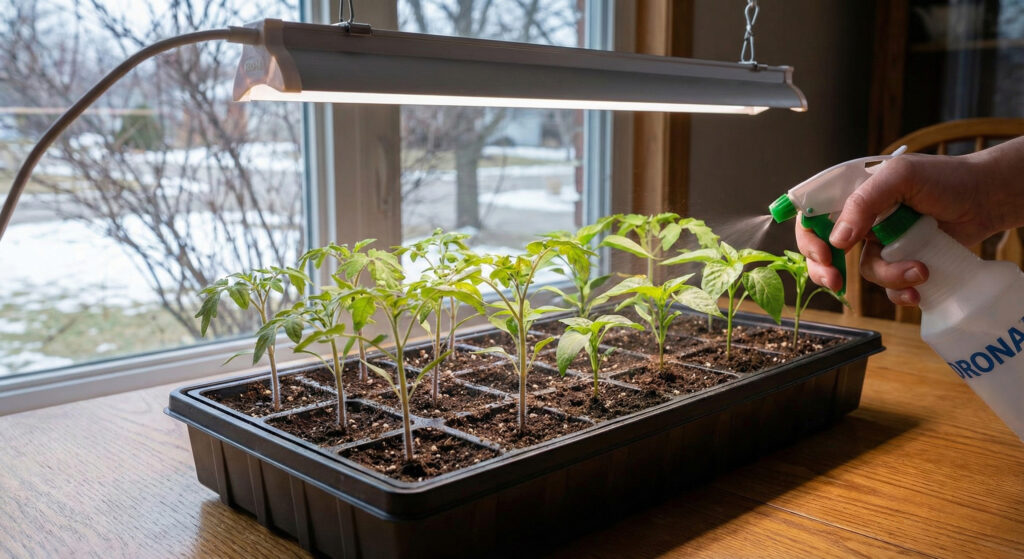
  • March: Start peppers, tomatoes, and eggplants indoors under grow lights.
  • Early April: Direct sow cool-weather crops like peas, spinach, and radishes as soon as the ground can be worked.
  • Late May (Victoria Day Weekend): This is the traditional “safe date” for transplanting warm-weather crops outside in Elgin County.


For a detailed look at hardiness zones, check out Fernlea’s climate zone maps. Being in Zone 6 means we have a decent growing season, but cold snaps can still catch us off guard.


A hand uses a RONA-branded spray bottle to gently mist a tray of young tomato and pepper seedlings growing under a hanging LED grow light on a wooden table. A window in the background shows a snowy outdoor scene.
Get a jump on the season: Starting warm-weather crops like tomatoes and peppers indoors under a grow light is essential for success in our climate. Keep them moist with a gentle misting.


5. Planning for Pollinators and Pests


A healthy garden is an ecosystem. This year, consider planting native species to attract bees and butterflies, which will help pollinate your vegetable crops. Resources like Landscape Ontario offer great lists of native plants that support our local biodiversity.


Conversely, you need a plan for the unwanted visitors—deer, rabbits, and raccoons are plentiful in the Springfield and Rodney areas. Installing chicken wire or applying animal repellents early in the season can train these animals to look elsewhere for food before your plants even sprout.


6. Don’t Forget the Lawn


While you are focused on the garden, your lawn is waking up too. Rake away the “snow mould” and dead grass to let the soil breathe. If you have bare patches from winter salt damage or plow scrapes, overseeding in early spring is ideal while the temperatures are cool.


Need a spreader or aerator? Check our Rental Services or browse our selection of lawn care products in-store. A thick, healthy lawn is the best defence against weeds.


Why Shop Local for Your Garden?


Big box stores often ship in plants and seeds that were grown in climates vastly different from ours. At Great Lakes Rona, we understand the microclimates of Dutton, Rodney, and Springfield. We stock products that work here.


If you are looking to do a significant overhaul this spring, don’t forget to check our current flyer for deals on bulk mulch, soil, and seasonal tools.


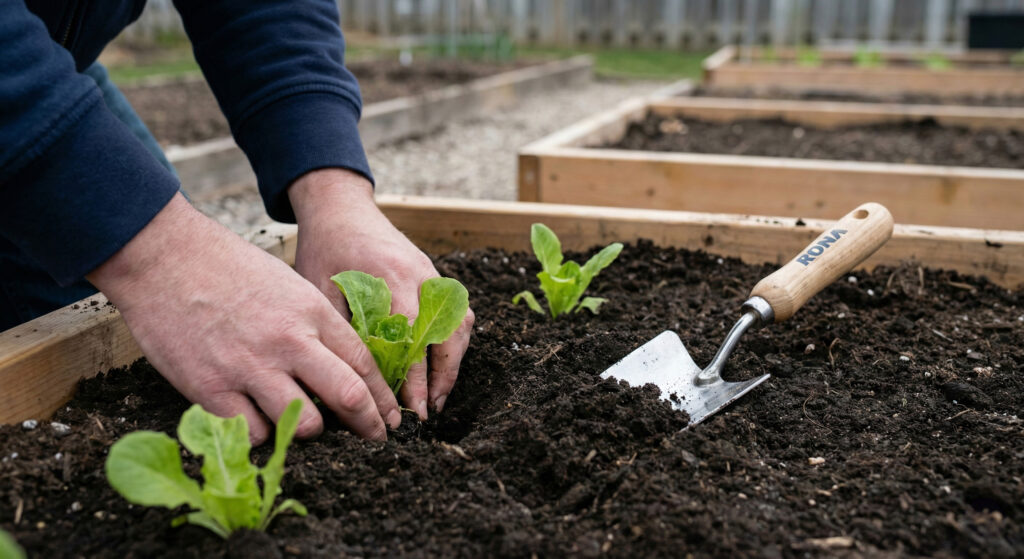
A close-up view of a gardener's hands planting a small green lettuce seedling into the dark, rich soil of a wooden raised garden bed. A hand trowel with the "RONA" logo branded on the wooden handle rests on the soil beside the plant.


Frequently Asked Questions (FAQs)


When is the last frost date for Dutton and Rodney, Ontario?


Historically, the risk of frost in Elgin County and Southwestern Ontario diminishes significantly by late May. Many locals use the “Victoria Day Weekend” (usually roughly May 20-24) as the safe benchmark for planting frost-sensitive annuals and vegetables.


How do I fix the clay soil in my Springfield garden?


Clay soil needs organic matter to break up the dense particles. We recommend tilling in compost, peat moss, or manure in the spring. Avoid walking on wet garden beds to help prevent further compaction.


Does Great Lakes Rona deliver bulk soil or mulch?


Yes! We offer delivery services for bulk items. Please get in touch with your nearest location in Dutton, Rodney, or Springfield to schedule a drop-off for your spring landscaping projects.


What are the best vegetables to plant first in Ontario?


Cool-weather crops are your best bet for early spring planting. You can direct-seed peas, spinach, kale, radishes, and onions as soon as the ground thaws and dries enough to work, usually in April.


Ready to get started?


👉 Visit us in-store today or contact us online for expert advice on your spring projects!