Whether you are managing a sprawling vegetable plot in Springfield or refining a backyard oasis in Rodney, success lies in preparation. The “Great Lakes Spring” brings unique challenges—heavy clay soil, fluctuating temperatures, and plenty of moisture. This guide will walk you through everything you need to know to take your garden from dormant soil to sprouting seeds.
Key Takeaways:
- Know Your Zone: Most of our region (Elgin/Middlesex) falls into Zone 6, meaning our last frost date is typically late May.
- Soil Health is #1: You cannot grow high-quality plants in compacted clay; amendments are necessary.
- Tool Prep: Sharpening blades now prevents disease spread later.
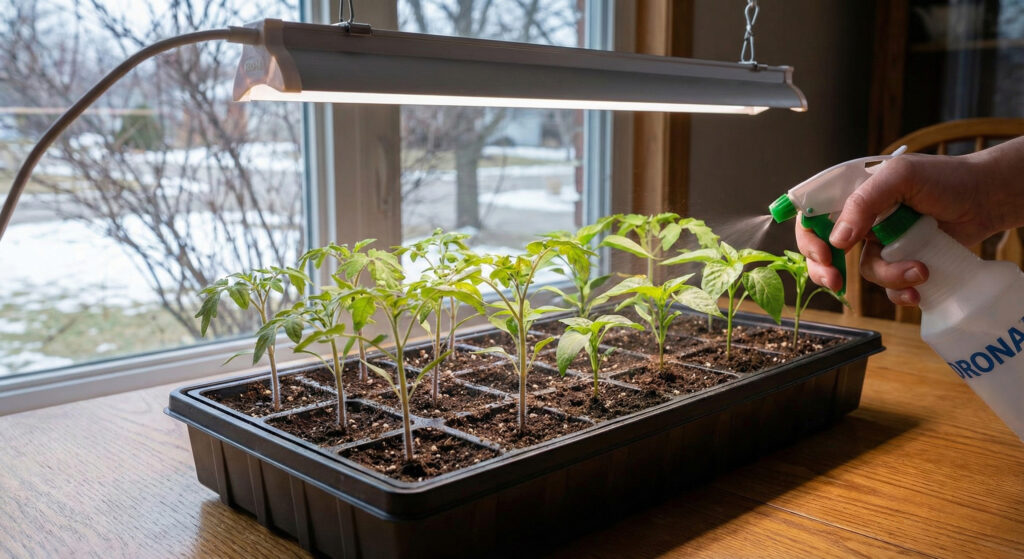
- Timing Matters: Start peppers and tomatoes indoors 6-8 weeks before moving them outside.
- Shop Local: Great Lakes Rona in Dutton, Rodney, and Springfield has the specific regional supplies you need.
1. Assessing the Winter Damage
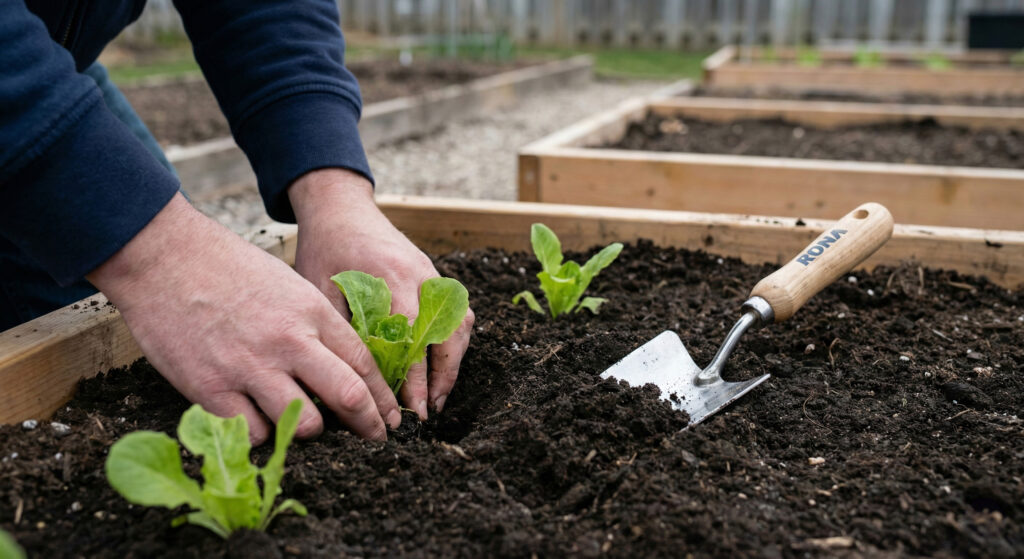
Before you buy a single seed packet, take a walk around your property. The freeze-thaw cycles standard in the Great Lakes region can wreak havoc on hardscaping. Check your raised garden beds for heaving or rot. If you notice your wooden planters have seen better days, you might need to replace a few boards.
Take a look at your fences and trellises, too. If winter winds have loosened posts, now is the time to reinforce them with pressure-treated lumber and hardware from our building supply department. Fixing these structural elements now is much easier than trying to repair them when they are covered in climbing vines in July.
2. Soil Preparation: The Secret to a Bountiful Harvest
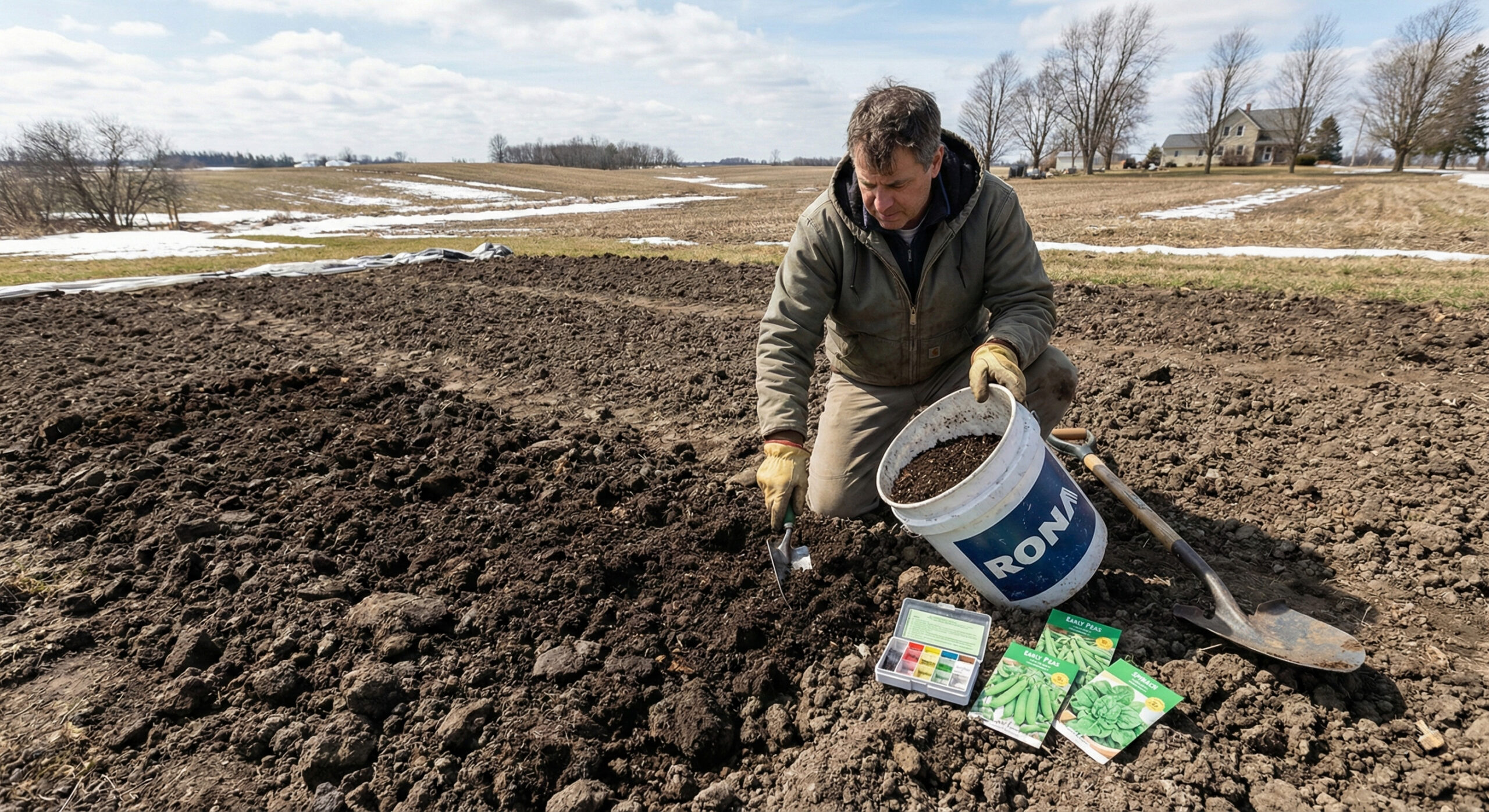
If you live in Dutton or Rodney, you are likely familiar with heavy clay soil. While nutrient-rich, clay can suffocate delicate roots if it becomes compacted. To prep your garden for a Great Lakes spring, you need to improve drainage and aeration.
The “Squeeze Test”
Grab a handful of soil. If it forms a tight, sticky ball that doesn’t break apart easily, you have high clay content. If it crumbles instantly, it’s sandy. The goal is a crumbly loam.
To fix this, amend your beds with organic matter. We recommend mixing in:
- Peat Moss or Coconut Coir: To retain moisture without waterlogging.
- Composted Manure: To add nitrogen naturally.
- Topsoil: To bulk up raised beds.
You can find all these bags ready to load at our Lawn & Garden Center. For those looking for specialized advice on flower bed soil specifically, our friends at Fernlea Flowers have an excellent blog detailing the nutrient needs of annuals and perennials that thrive in our climate.
3. Cleaning and Sharpening Your Tools
Dull tools are dangerous tools—both for you and your plants. A dull pair of pruners crushes the plant stem rather than cutting it cleanly, which leaves a ragged wound open to disease and pests.
Inspect your spades, shovels, and shears. Scrub off any rusted metal with steel wool and oil the moving parts. If your equipment is beyond saving, stop by our Hand & Power Tools department. We carry brands that withstand the rigorous demands of rural property maintenance.